
加入 getAbstract 阅读摘要

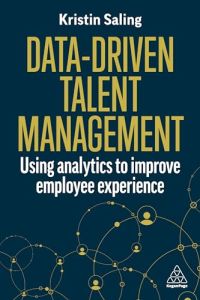
Data-Driven Talent Management

加入 getAbstract 阅读摘要

Data-Driven Talent Management

Using Analytics to Improve Employee Experience

Kogan Page,

15 分钟阅读
9 个要点速记
音频和文本

看看什么内容?

Innovative organizations use data analysis to personalize the employee experience and develop winning teams.

Editorial Rating

9

getAbstract Rating

  • Well Structured
  • Overview
  • Engaging

Recommendation

The US Army may not be the first workplace that comes to mind when you think about a personalized employee experience, but data analytics expert Kristin Saling reveals how it is doing precisely that. In this lively book packed with pop culture analogies, Saling makes a compelling case for using data to understand individual workers and build cognitively diverse teams who produce innovative results. With clearly defined terms and plenty of specific examples, Data-Driven Talent Management serves as a first-rate introduction to data analytics that will also inspire seasoned talent managers.

Summary

Data personalizes personnel, and takes organizations from assessing “how many” to understanding “who.”

Talent management seeks to find, attract, engage, and grow individuals who can accomplish the organization’s objectives. Data-driven insights can help talent managers determine everything from which job posting websites to use and training to offer, to what incentives and career opportunities will motivate particular employees to stay.

Organizations must understand what decisions they are trying to make to use data effectively. They must also know how data will influence those decisions. For example, Google collected survey data from high-performing teams, determined what qualities top managers shared, and sought those attributes when recruiting, resulting in improved team performance and employee satisfaction. Organizations must know how to interpret data to decide what answers it provides — or what further questions it provokes — and share results in accessible ways, such as visual presentations. Innovative organizations also look beyond the data for new insights, as the baseball manager in the book and film Moneyball did when he bypassed the usual statistics...

About the Author

Kristin Saling is director at the Innovation Cell for the United States Army Human Resources Command. Before this, she was deputy director of people analytics for the assistant secretary of the Army for Manpower and Reserve Affairs and chief analytics officer for the Army Talent Management Task Force.


Comment on this summary

More on this topic

Related Skills

人力资源
Manage People and Talent
发挥创意
企业财务
发展思维能力
数字化转型
Enable Digital Organization
Enhance Cybersecurity
引领运营规划
领导力
Leverage AI for Sales
健康生活
管理团队和部门
管理
优化劳动力绩效
个人成长
战略性安置人才
销售
增强数字素养
职场技能
Leverage AI for Leadership
Understand AI
Use AI for Workflow Automation
Guide Teams Through AI Transition
Discover AI Use Cases in the Sports Industry
建立团队凝聚力
Use AI for Personal Productivity
设定绩效标准
Use AI to Enhance Communication
Use AI with Company Knowledge
Strengthen Team Collaboration
确保数据隐私与合规性
Leverage AI for Finance
利用学习与发展技术
数据分析
Drive Team Performance
Use AI for Learning and Upskilling
Understand AI Capabilities and Limits
理解人格类型
理解团队动态
Develop Team Members
Leverage AI Agents
Use AI for Performance Tracking
Use AI for Talent Sourcing
Discover AI Use Cases
评估员工
Use AI for Skills Matching
Use AI for Coaching and Development
AI Transformation
分析性思维
Manage Learning and Development
管理绩效
Understand AI Impact on Work
Foster Team Culture
识别技能差距
Use AI for Candidate Screening
Leverage AI for Management
设定并跟踪关键绩效指标 (KPI)
Leverage AI in Your Daily Tasks
Protect Your Data and Privacy
管理员工才能
Use AI for Data Analysis
提升员工技能和知识
Use AI for Learning & Development
Use AI for Workforce Planning
理解动机
衡量学习与发展的影响
创新
Leverage AI for HR
鼓励实验精神
培养创新文化