
Únete a getAbstract para acceder al resumen.
Únete a getAbstract para acceder al resumen.
Michael Adelowotan and Collins Leke
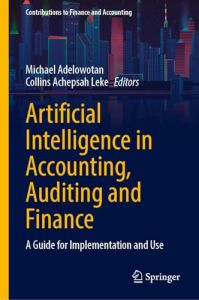
Artificial Intelligence in Accounting, Auditing and Finance
A Guide for Implementation and Use (Contributions to Finance and Accounting)
Springer, 2025
¿De qué se trata?
Discover how AI is quietly revolutionizing corporate finance, auditing, and forecasting.


Disponibilidad del resumen: todo el mundo
Recommendation
In uncovering how AI is reshaping corporate accounting and finance, editors Michael Adelowotan and Collins Achepsah Leke offer a well-structured guide that takes readers from foundational concepts to advanced applications like machine learning and natural language processing. Through real-world case studies and clear explanations, their text bridges theory and practice, helping professionals and students grasp how these tools apply to auditing, taxation, risk management, and financial forecasting. While highlighting what’s possible, this book also addresses the challenges AI brings and how roles within the profession are evolving.
Summary
About the Authors
The University of Johannesburg’s Michael Adelowotan and Collins Achepsah Leke edited this volume. Adelowotan is an associate professor in the Department of Accountancy, where Leke is a senior lecturer.
Learners who read this summary also read
Related Skills


Comment on this summary